
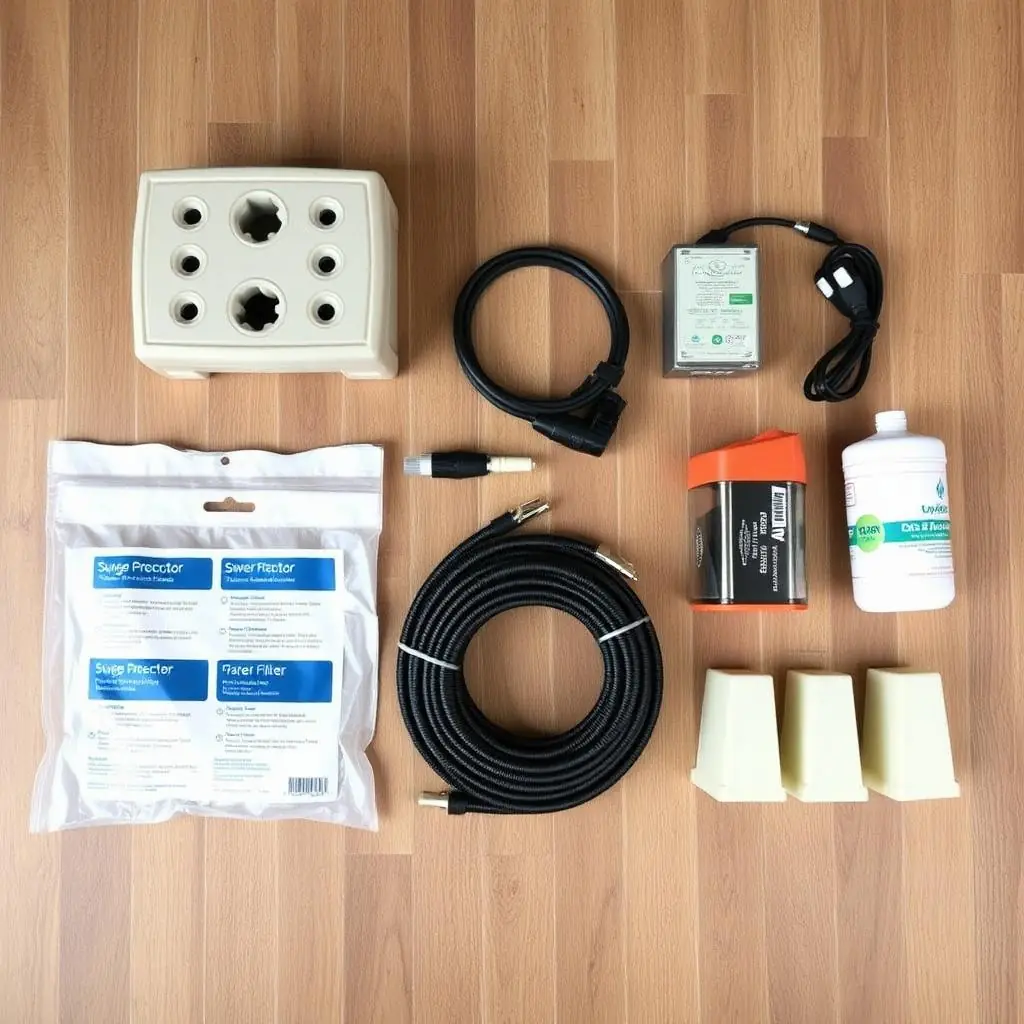
Picked up your first RV? Congratulations — you are about to make some of the best memories of your life. Before you hit the road, there are a handful of essential RV accessories that turn a brand-new camper into a road-ready home. This RV starter kit guide walks through every must-have item, why it matters, and what to look for when you buy.
Why a Proper RV Starter Kit Matters
Most new RVs do not come with the basics you need to safely hook up at a campground. Skip the sewer hose and you cannot dump tanks. Skip the surge protector and one bad pedestal can fry your electrical system. Getting these parts right the first time saves money, frustration, and a lot of warranty headaches.
If you are searching for an RV supply store near me in northern Indiana, our parts counter at Rex & Sons RVs in Notre Dame, IN stocks every item below and our team can walk you through which version fits your specific coach.
1. Sewer Hose Kit (Don't Cheap Out Here)
The single most important — and most ignored — accessory. A quality 20-foot reinforced sewer hose with bayonet fittings, a clear elbow adapter, and a support cradle makes dumping tanks fast and clean.
- Hose: Look for at least 23-mil thickness, heavy-duty steel-wire reinforcement (Camco RhinoFLEX or Valterra Viper).
- Clear elbow: Lets you see when the tank truly runs clean.
- Support cradle: Maintains slope to the dump inlet so nothing settles in the hose.
- Disposable gloves & dedicated rinse hose: Never use your drinking-water hose for tank rinsing.
2. Water Pressure Regulator
Campground water pressure can spike past 100 PSI and blow PEX lines or fittings inside your walls. An adjustable brass water pressure regulator with a gauge keeps incoming pressure at a safe 40–50 PSI.
Inline plastic regulators are better than nothing, but the brass adjustable models last for years and let you fine-tune flow at low-pressure parks.
3. Surge Protector / EMS
A campground pedestal is the single biggest threat to your RV's electronics. A 30-amp or 50-amp EMS (Electrical Management System) from Progressive Industries or Hughes monitors for high/low voltage, open ground, reverse polarity, and surges — and disconnects power before damage occurs.
- 30-amp coaches (most travel trailers) — 30A EMS
- 50-amp coaches (most fifth wheels and Class A) — 50A EMS
- Hardwired models hide inside the coach and cannot be stolen at the pedestal.
4. Drinking-Water Hose & Inline Filter
Standard garden hoses leach chemicals into your fresh tank. Use a dedicated white or blue RV potable water hose rated for drinking water, plus a carbon inline filter to remove sediment, chlorine taste, and odors.
5. Leveling Blocks & Wheel Chocks
Your fridge, slides, and your sleep all depend on a level rig. Lynx Levelers (interlocking pads) stack to any height for any tire combination. Pair them with X-style or solid rubber wheel chocks placed between the tires to stop rocking.
6. Power Adapter / Dogbone
Sooner or later you will pull into a site with the wrong pedestal. A 50-to-30 amp or 30-to-15 amp dogbone adapter keeps the trip alive. Buy the molded heavy-duty version, not the lightweight gas-station knockoffs.
7. Tire Pressure Monitoring System (TPMS)
RV tires are the #1 cause of roadside breakdowns. A TPMS with screw-on transmitters for every tire (including the tow vehicle) warns you of slow leaks and heat buildup before a blowout.
8. Tool Kit, Tape & Sealants
- Cordless drill (for stabilizer jacks)
- Socket set, screwdrivers, channel locks
- Eternabond tape — emergency roof or seam repairs
- Self-leveling Dicor lap sealant — touch up roof seams once a season
9. Inside-the-Coach Essentials
- RV-safe toilet paper (or just buy Scott 1000 — it breaks down fine)
- Holding tank treatment — Happy Camper or Unique enzymes
- Non-slip drawer/cabinet liners — keeps dishes quiet on the road
- LED flashlight + headlamp for setting up after dark
- First-aid kit, fire extinguisher inspection, CO/LP detector batteries
10. Outdoor Living Gear
- Outdoor rug under the awning
- Folding camp chairs and a small folding table
- Awning de-flapper kit and tie-downs
- Window awnings or Reflectix panels for summer heat
The 20-Minute "First Trip" Checklist
- Walk around: tires, lights, slides retracted, antenna down.
- Confirm propane is on, water heater bypass valve set correctly.
- Pack the sewer kit, fresh-water hose, EMS, regulator, leveling blocks.
- Load tank treatment, toilet paper, and tool bag.
- Check tire pressure cold — every single trip.
Where to Buy RV Parts & Accessories
You can order most of these items online, but having a local RV supply store near me matters when something fails on a Friday afternoon before a trip. Rex & Sons RVs in Notre Dame, IN keeps a full parts counter stocked with everything in this guide, plus certified technicians who can install hardwired EMS units, TPMS sensors, and replacement sewer valves while you wait.
Browse our RV parts department or stop by the dealership and we will help you build a starter kit dialed in to your exact rig.
Frequently Asked Questions
What is the minimum RV starter kit I actually need?
Sewer hose kit, drinking-water hose, water pressure regulator, surge protector/EMS, leveling blocks, and wheel chocks. With those six items you can safely hook up at any campground in the country.
How much should I budget for essential RV accessories?
A solid starter kit runs $400–$700. Spending more on the EMS and TPMS up front is cheaper than one electrical repair or a single blown tire.
Do new RVs come with any of these accessories?
Usually no. Most dealers — Rex & Sons included — offer a "go-home" kit option at delivery so you leave the lot ready to camp.